Sone336aikayumeno241017xxx1080pav1sub Fixed -
Even emerging technologies like NFTs and blockchain have been co-opted primarily to certify ownership of fixed digital content, not to alter it. A verified digital collectible of a movie poster reinforces fixity; it does not challenge it. No article on this topic would be complete without acknowledging the blade hanging over fixed content: the rise of interactive and generative media. Video games like Fortnite and Roblox are not fixed; they are platforms that evolve weekly. AI-generated content (text, image, music) challenges the very definition of "authored." If an AI can generate a new episode of Seinfeld in the style of Larry David, is that fixed? Or is it fluid?
While user-generated content (UGC) and interactive media rise in popularity, fixed entertainment content remains the structural steel of popular media. Understanding this dynamic—the tension between the "fixed" and the "fluid"—is essential for creators, marketers, and consumers who want to navigate the modern cultural landscape. What exactly is fixed entertainment content ? In the simplest terms, it is any piece of media that is authored, finalized, and distributed without the expectation of real-time alteration based on audience feedback. A Marvel movie released in 2018 is the same movie in 2025. A Beatles album pressed in 1969 is musically identical to the 2023 remaster. A network television episode broadcast on a Tuesday night will not change its plot based on Wednesday morning’s tweets. sone336aikayumeno241017xxx1080pav1sub fixed
Popular media discourse relies on these waypoints. When Netflix releases a new season of Stranger Things , the internet explodes for exactly three weeks. During that window, millions of people are watching the same fixed frames . They can argue about specific lines, cinematography choices, and plot holes because the text is not moving. This shared reference is the engine of virality. TikTok trends, Twitter hashtags, and YouTube video essays do not emerge from ephemeral content; they emerge from fixed artifacts that a critical mass has experienced in the same way. One of the great errors of the early 2010s was the assumption that digital distribution would fundamentally change the nature of fixed content. Netflix promised a "new golden age of television" where episodes might drop all at once (binge culture). But note: the content itself remained fixed. A House of Cards episode from 2014 is immutable. The only thing that changed was the window of consumption. Even emerging technologies like NFTs and blockchain have
Popular media today is louder, faster, and more fragmented than ever. But it orbits fixed suns. The super-popular media of tomorrow—the viral dances, the heated Reddit debates, the billion-view YouTube essays—will all circle the same immovable objects: a movie released in 1977, a song recorded in 1991, a television episode aired in 2014. As long as humans seek reference points in chaos, fixed entertainment content will not only survive; it will be the only thing worth talking about. Video games like Fortnite and Roblox are not
 TRỌN BỘ MÁY TÍNH (MỚI)
 MÁY TÍNH ĐỒNG BỘ (MỚI)
 GAME ĐỒ HỌA (cũ)
 LAPTOP CŨ
 MÀN HÌNH MÁY TÍNH (CŨ)
 MAINBOARD – BO MẠCH CHỦ
 CPU – BỘ VI XỬ LÝ
 RAM – BỘ NHỚ TRONG
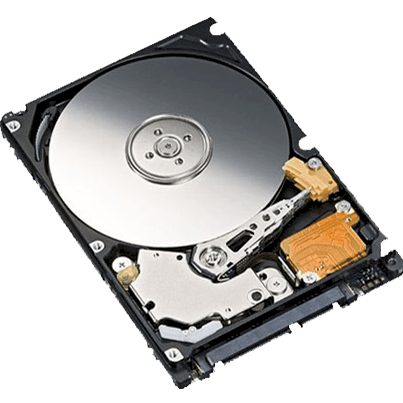 HDD – Ổ CỨNG MÁY TÍNH
 VGA – CARD MÀN HÌNH
 POWER – NGUỒN MÁY TÍNH
 PHỤ KIỆN MÁY TÍNH
 PHẦN MỀM DIỆT VIRUT
