
RetroArch is a frontend for emulators, game engines and media players.
Among other things, it enables you to run classic games on a wide range of computers and consoles through its slick graphical interface. Settings are also unified so configuration is done once and for all.
In addition to this, you are able to run original game discs (CDs) from RetroArch.
RetroArch has advanced features like shaders, netplay, rewinding, next-frame response times, runahead, machine translation, blind accessibility features, and more!
RetroArch/Libretro is an open-source project and has been around since 2012. It has since served as the backend technology to tons of (unaffiliated) platforms and programs around the world.
Get RetroArch Try RetroArch Online
As the late Sylvia Rivera famously said at a Pride rally in 1973, being heckled by gay men who wanted her quiet: "I’ve been beaten. I’ve had my nose broken. I’ve been thrown in jail. I’ve lost my job. I’ve lost my apartment. For gay liberation. And you all treat me this way?"
Similarly, the concept of "gender as a spectrum" rather than a binary has freed many cisgender LGB people to explore their own expression without abandoning their sexual orientation. The drag community, long a meeting ground for gay men and trans women, has exploded into global pop culture via shows like RuPaul’s Drag Race , even as the show itself has navigated controversies about trans exclusion. Trans artists have defined the avant-garde of queer culture. From the punk rock of Against Me! frontwoman Laura Jane Grace to the ethereal pop of SOPHIE (the hyperpop pioneer), trans musicians have pushed sonic boundaries. In visual art, figures like Juliana Huxtable and Zackary Drucker have challenged how the world sees the body. In literature, Janet Mock , Jia Tolentino , and Torrey Peters ( Detransition, Baby ) have created narratives that center trans life not as a tragedy but as a complex, joyful, and messy human experience.
Family rejection due to coming out as gay or trans has similar traumatic consequences: increased rates of suicide, substance abuse, and survival sex work. The solutions—affirming family therapy, safe shelters, and anti-bullying policies—benefit all LGBTQ people, but are absolutely critical for trans youth. Despite this shared history, it would be dishonest to pretend the relationship is always harmonious. The "LGB" and the "T" have experienced friction, leading to debates about whether transgender identity belongs under the same umbrella. The "LGB Without the T" Movement A small but vocal fringe movement, often called "LGB Drop the T," argues that sexual orientation (who you love) is fundamentally different from gender identity (who you are). They contend that gay, lesbian, and bisexual rights are about sexuality, while trans rights are about gender expression, and that merging them dilutes the message.
This shared medical trauma created a political alliance. Both groups saw government neglect, media vilification, and the weaponization of public health against their existence. The fight for access to PrEP (pre-exposure prophylaxis) or life-saving antiretrovirals was a fight that bound trans and LGB people together in a common cause. While their experiences are not identical, the transgender community and the broader LGBTQ culture share overlapping enemies: legal discrimination, social stigma, and systemic violence. The Weaponization of "Bathroom Bills" and Conversion Therapy The modern conservative backlash against LGBTQ rights often targets the most vulnerable. For instance, "bathroom bills" (legislation preventing trans people from using facilities matching their gender identity) are explicitly transphobic. However, they are often tied to homophobic rhetoric—predicated on the false idea that gay and trans people are inherent predators. Similarly, "religious freedom" laws that allow businesses to refuse service to same-sex couples are also used to deny hormone therapy or social services to trans individuals.
RetroArch is available for download on a wide variety of app store platforms.
NOTE: Functionality can sometimes be different from that of the version available for download on our website. We sometimes have to conform to certain restrictions and standards that the app store platform provider imposes on us.







RetroArch/Libretro has over 200 cores, and the list keeps expanding over time. These include game engines, games, multimedia programs and emulators.
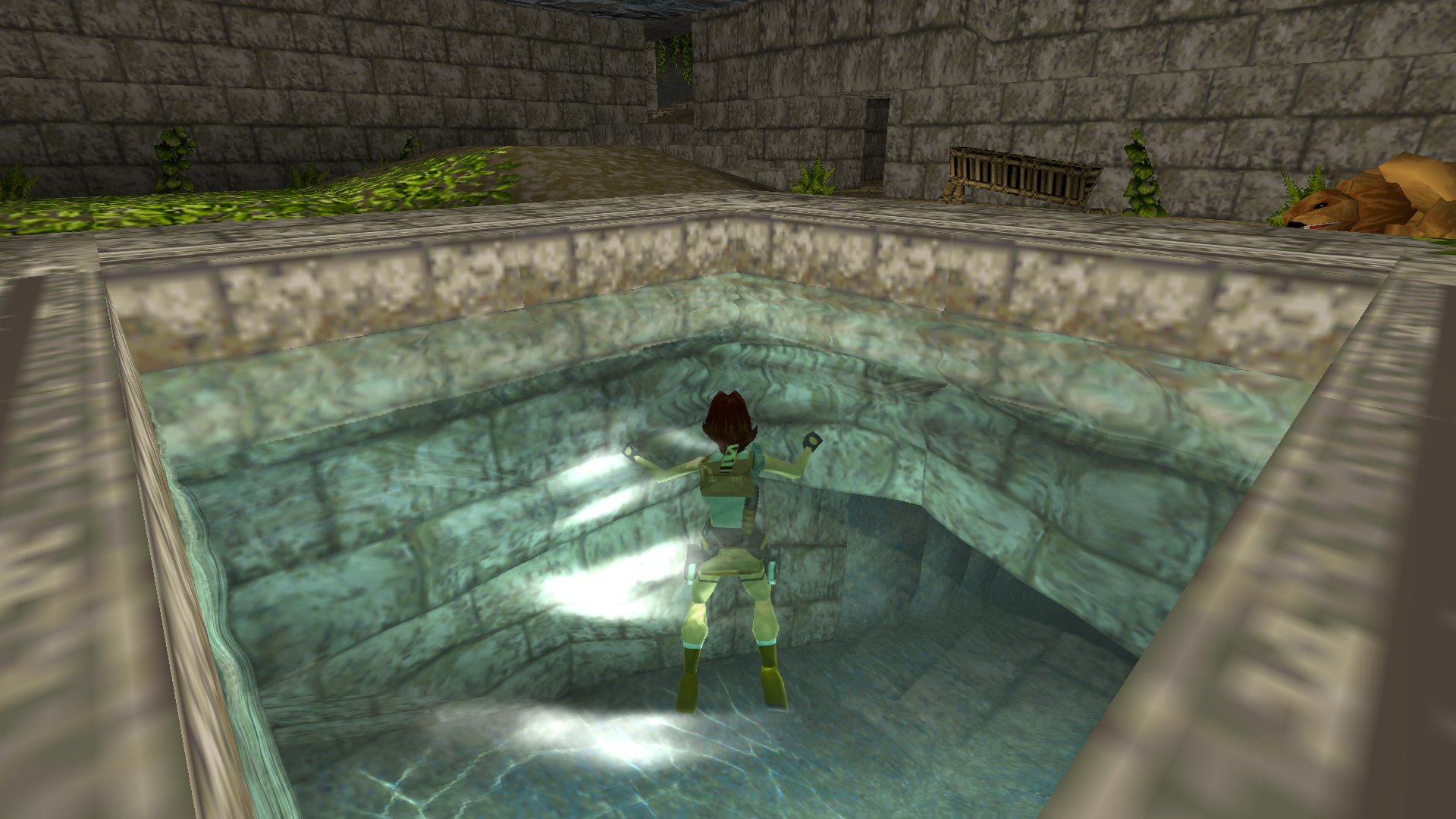
OpenLara is an early Tomb Raider game engine recreation.
Core available now for Windows/Linux.
For more information, read our article on this release here. shemalevidsorg hot
It uses the original data files in order to work. What is nice about this one is that it has some very fancy graphics effects added on top of the old game engine without it resulting in any stylistic clashes.
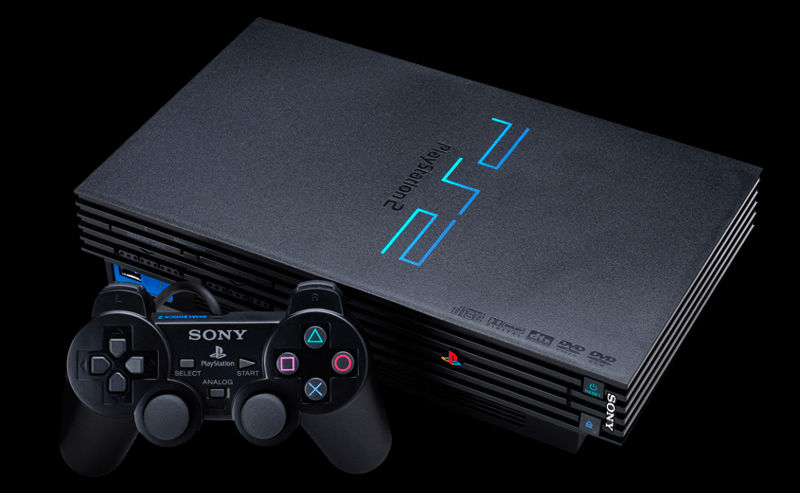
LRPS2 is a PlayStation2 emulator. It has a brand-new Vulkan-powered LLE renderer called ParaLLEl GS.
ParaLLEl-GS' goal is to be as accurate as software rendering but using the GPU instead of the CPU. Thanks to this we can also do enhancements which would be too slow to do on software, such as supersampled antialiasing and other enhancements. As the late Sylvia Rivera famously said at
For more information, read our article on this release here.

DOSBox Pure is an easy-to-use plug and play version of DOSBox written specifically for Libretro/RetroArch. It supports MS-DOS and Windows 9x games. You can use savestates and even rewind. Automatic game detection with custom gamepad to keyboard mapping for many DOS games. I’ve lost my job
For more information, read our article on this release here.
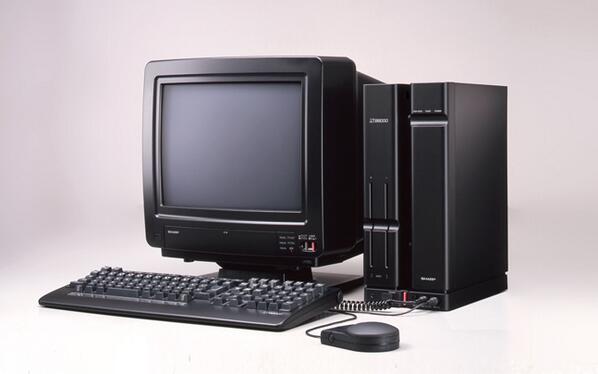
PX-68K is a Sharp X68000 emulator. This is a Japanese home computer from the late '80s/early '90s that was used by Capcom as devkits for their arcade games. It played host to many popular games from the likes of Namco, Konami and Capcom.
Core available now for Windows, macOS, Linux, Android and iOS.
For more information, read our article on this release here.
RetroArch has been first to market with many innovative features, some of which have became industry standard. Because of its dynamic nature as a rapidly evolving open source project, it continues adding new features on an annual basis.
As the late Sylvia Rivera famously said at a Pride rally in 1973, being heckled by gay men who wanted her quiet: "I’ve been beaten. I’ve had my nose broken. I’ve been thrown in jail. I’ve lost my job. I’ve lost my apartment. For gay liberation. And you all treat me this way?"
Similarly, the concept of "gender as a spectrum" rather than a binary has freed many cisgender LGB people to explore their own expression without abandoning their sexual orientation. The drag community, long a meeting ground for gay men and trans women, has exploded into global pop culture via shows like RuPaul’s Drag Race , even as the show itself has navigated controversies about trans exclusion. Trans artists have defined the avant-garde of queer culture. From the punk rock of Against Me! frontwoman Laura Jane Grace to the ethereal pop of SOPHIE (the hyperpop pioneer), trans musicians have pushed sonic boundaries. In visual art, figures like Juliana Huxtable and Zackary Drucker have challenged how the world sees the body. In literature, Janet Mock , Jia Tolentino , and Torrey Peters ( Detransition, Baby ) have created narratives that center trans life not as a tragedy but as a complex, joyful, and messy human experience.
Family rejection due to coming out as gay or trans has similar traumatic consequences: increased rates of suicide, substance abuse, and survival sex work. The solutions—affirming family therapy, safe shelters, and anti-bullying policies—benefit all LGBTQ people, but are absolutely critical for trans youth. Despite this shared history, it would be dishonest to pretend the relationship is always harmonious. The "LGB" and the "T" have experienced friction, leading to debates about whether transgender identity belongs under the same umbrella. The "LGB Without the T" Movement A small but vocal fringe movement, often called "LGB Drop the T," argues that sexual orientation (who you love) is fundamentally different from gender identity (who you are). They contend that gay, lesbian, and bisexual rights are about sexuality, while trans rights are about gender expression, and that merging them dilutes the message.
This shared medical trauma created a political alliance. Both groups saw government neglect, media vilification, and the weaponization of public health against their existence. The fight for access to PrEP (pre-exposure prophylaxis) or life-saving antiretrovirals was a fight that bound trans and LGB people together in a common cause. While their experiences are not identical, the transgender community and the broader LGBTQ culture share overlapping enemies: legal discrimination, social stigma, and systemic violence. The Weaponization of "Bathroom Bills" and Conversion Therapy The modern conservative backlash against LGBTQ rights often targets the most vulnerable. For instance, "bathroom bills" (legislation preventing trans people from using facilities matching their gender identity) are explicitly transphobic. However, they are often tied to homophobic rhetoric—predicated on the false idea that gay and trans people are inherent predators. Similarly, "religious freedom" laws that allow businesses to refuse service to same-sex couples are also used to deny hormone therapy or social services to trans individuals.