










6 months ago
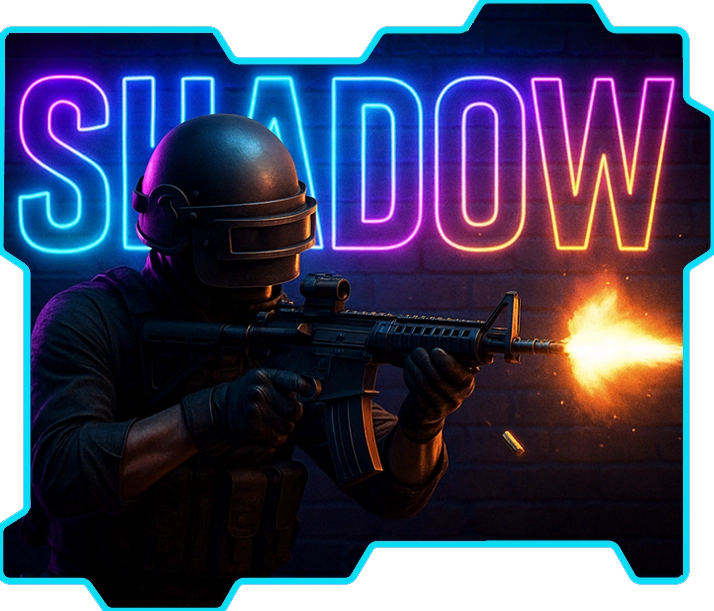
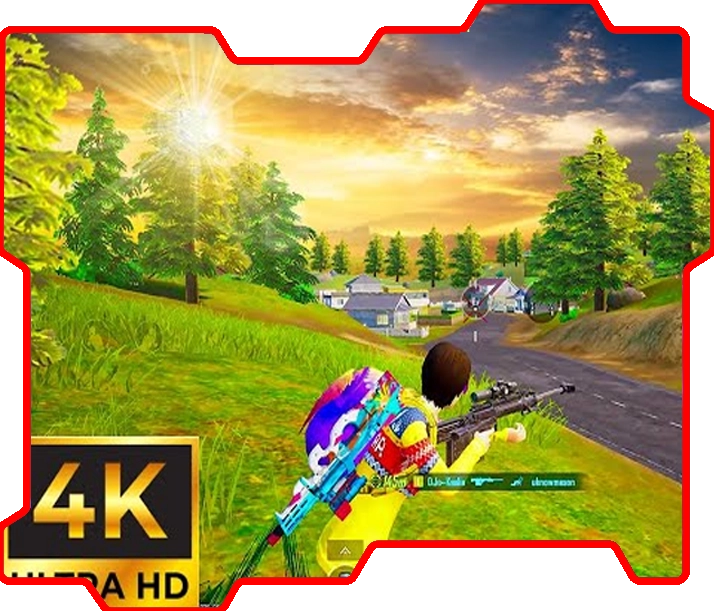

Fast matchmaking in under 5 seconds, true 120 FPS support, Ultra HD 4K visual clarity, and smooth, lag-free gameplay—giving you the advantage to secure Chicken Dinner in every match
Our dedicated team of gaming experts continuously updates SHADOW to ensure compatibility with the latest game patches and emulator updates.

32/64Bit
120FPS
Live

32/64Bit
120FPS
Live

64Bit
120 FPS
Live
Previous Matches








98
1000
221
875
To watch a Malayalam film is to glimpse the soul of Kerala. It is a culture that does not believe in heroes, only in humans—confused, political, hungry, and full of an aching love for their rain-soaked home. And as long as the monsoons keep falling on the thatched roofs of Kuttanad, the cameras of Kochi will keep rolling.
Furthermore, the industry is a rare example of a deeply secular artistic ecosystem. Hindu mythology ( Vanaprastham ), Muslim lore ( Ore Kadal ), and Christian guilt ( Paleri Manikyam ) coexist on the same screen, often within the same year. This reflects the real Kerala—a crowded, argumentative, but strangely harmonious mosaic of faiths. Malayalam cinema has never been content to be a postcard. At its best, it is a scalpel, dissecting the psyche of the Malayali with unsparing honesty. At its worst, it is a rousing folk song, celebrating the resilience of a people who live between the Arabian Sea and the Western Ghats, battered by monsoons and history.
In the decades that followed—through the 1950s and 60s—Malayalam films leaned heavily on the rich performative traditions of Kerala. Kathakali (the classical dance-drama), Theyyam (the ritualistic worship dance), and Mohiniyattam found their way into cinematic choreography. Films like Kerala Kesari (1951) and Neelakuyil (1954) began weaving local folklore, myths, and the distinctive geography of the land—the monsoon-drenched villages, the rubber plantations, the labyrinthine rice fields—into their visual grammar.
For the uninitiated, the phrase “Malayalam cinema” might conjure images of tropical plantations, shimmering backwaters, or the occasional viral meme of a mustachioed hero. But for the people of Kerala, film is not merely escapism. It is a mirror. It is a historical document. It is a philosopher’s podium. Over the last century, Malayalam cinema has evolved from a derivative regional industry into one of India’s most intellectually robust film cultures—precisely because it has refused to look away from the complexities of its own soil.
Their story is our story. And it is far from over.
As the industry goes global—winning awards at Cannes, Venice, and the Oscars (with RRR 's "Naatu Naatu" having strong Malayali technician links)—it carries with it the weight of Kerala’s legacy: literacy, skepticism, and a tragicomic view of life.
To understand Malayalam cinema is to understand Kerala: its political radicalism, its religious pluralism, its literary obsession, its paradoxical embrace of modernity, and its fierce cultural pride. The two are not just connected; they are co-authors of the modern Malayali identity. The birth of Malayalam cinema in the late 1920s did not occur in a vacuum. The first Malayalam film, Vigathakumaran (The Lost Child, 1930), directed by J. C. Daniel, drew heavily from the social hierarchies of the time—specifically the plight of the lower castes and the Nair aristocracy. Though the film was a commercial failure, it set a template: cinema as social inquiry.
But the real fusion began when cinema started absorbing the ethos of . Writers like S. K. Pottekkatt, M. T. Vasudevan Nair, and Vaikom Muhammad Basheer brought a raw, unfiltered realism to the screen. Basheer’s stories, in particular, with their quirky mendicants, mad mullahs, and socialist undertones, taught Malayalam cinema that the greatest drama lies not in mountains, but in the ordinary madness of a Keralite's back alley. Part II: The Golden Age – Parallel Cinema and the Political Animal The 1970s and 80s were the crucible years. Inspired by the global wave of Italian Neorealism and the Indian New Wave, directors like Adoor Gopalakrishnan ( Elippathayam , 1981) and John Abraham ( Amma Ariyan , 1986) stripped away all ornamentation. This was the era of "Middle Stream" cinema —neither purely commercial nor aggressively arthouse.
Our Discord Streamer's


Yes, we offer a money-back guarantee. If SHADOW does not perform as promised, simply contact us within the refund period and you’ll receive a full refund — no questions asked..
SHADOW is compatible with multiple emulator-based games including PUBG Mobile (Global), PUBG KR, BGMI, Free Fire, COD Mobile, and several other Android multiplayer titles. More games will be added soon.. To watch a Malayalam film is to glimpse the soul of Kerala
No, plan switching is not available at the moment. Please make sure to select the package that suits your needs — Daily, Weekly, Monthly, or 2-Month plan before purchasing.. Furthermore, the industry is a rare example of
Your gaming sessions are fully secure. SHADOW does not collect personal data, game credentials, or store any gameplay information. Everything runs locally on your device for maximum privacy and safety — because your security is our first priority. Malayalam cinema has never been content to be a postcard
Absolutely — 24/7 support is available on both Telegram and Discord. For advanced assistance, our team can remotely help you through AnyDesk or TeamViewer.