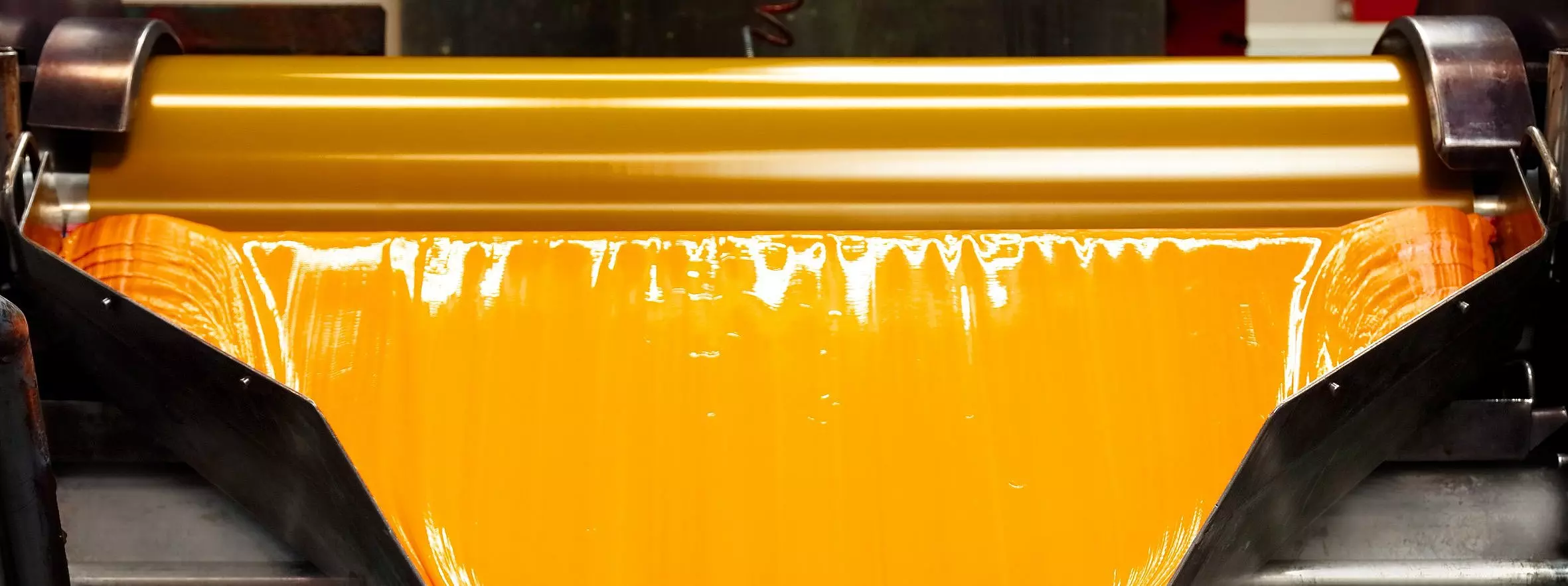
Colors are passion, emotions and personality. At Siegwerk, inks and coatings are our specialty and we use color to bring the packaging and products of our customers to life.
is a perfect case study. Hailee Steinfeld’s character, Nadine, is already a mess of teenage anxiety. When her widowed father has long since passed, and her mother begins dating again, Nadine’s older brother (who is biologically her full sibling) actually functions as the stable anchor. The "blending" here is internal: when a new father figure arrives, the biological sibling becomes the mediator.
The blended family dynamics we see on screen today—the awkward holidays, the territorial fights over a deceased parent’s photo, the quiet moment where a stepfather teaches a child to drive—are not deviations from the norm. They are the norm. onlytaboo marta k stepmother wants more h
Here is how modern cinema is reframing the mosaic of the modern family. The most significant shift in modern blended-family cinema is the dismantling of the archetypal "evil stepparent." For a century, fairy tales cast stepmothers as jealous villains. Disney’s Cinderella (1950) set the bar so low that any step-parental figure had to be a saint to clear it. is a perfect case study
In the last decade, directors have swapped villainy for vulnerability. Consider or the deeply sensitive portrayal by Julia Roberts in Ben Is Back (2018) . However, the gold standard for this new archetype is Patricia Clarkson in Easy A (2010) or, more recently, Jessie Buckley in The Lost Daughter (2021) . Buckley’s character, Leda, isn't a stepmother in the legal sense, but the film explores the friction of a disconnected adult entering a chaotic family ecosystem. The "blending" here is internal: when a new
Then there is . While focusing on divorce, the film’s shadow is the future blended family. The audience watches Adam Driver and Scarlett Johansson’s characters realize that their son will eventually have step-parents. The horror they feel is not for themselves, but for the loss of exclusive access to their child’s affection. The Sibling Recalibration: From Rivals to Allies The most entertaining evolution in modern cinema is the depiction of step-siblings. Older films used step-siblings as punchlines—the preppy nerd vs. the greaser jock. Modern films understand that step-siblings are often fellow hostages of circumstance, and their bond is forged in shared trauma.
Modern cinema has finally caught up. Moving beyond the slapstick chaos of the 1960s, contemporary films are now exploring the raw, jagged, and beautiful complexities of blended family dynamics with a nuance previously reserved for war dramas or existential thrillers. These films are asking difficult questions: Can you love a child that isn't yours? What happens to grief when a new partner enters the house? Is "family" a biological fact or a social performance?
But the American family has changed. According to recent Pew Research data, 16% of children in the U.S. live in blended families. The "step" is no longer a rarity; it is a reality.


