$109.44
In Stock
SYSTEM REQUIREMENTS:
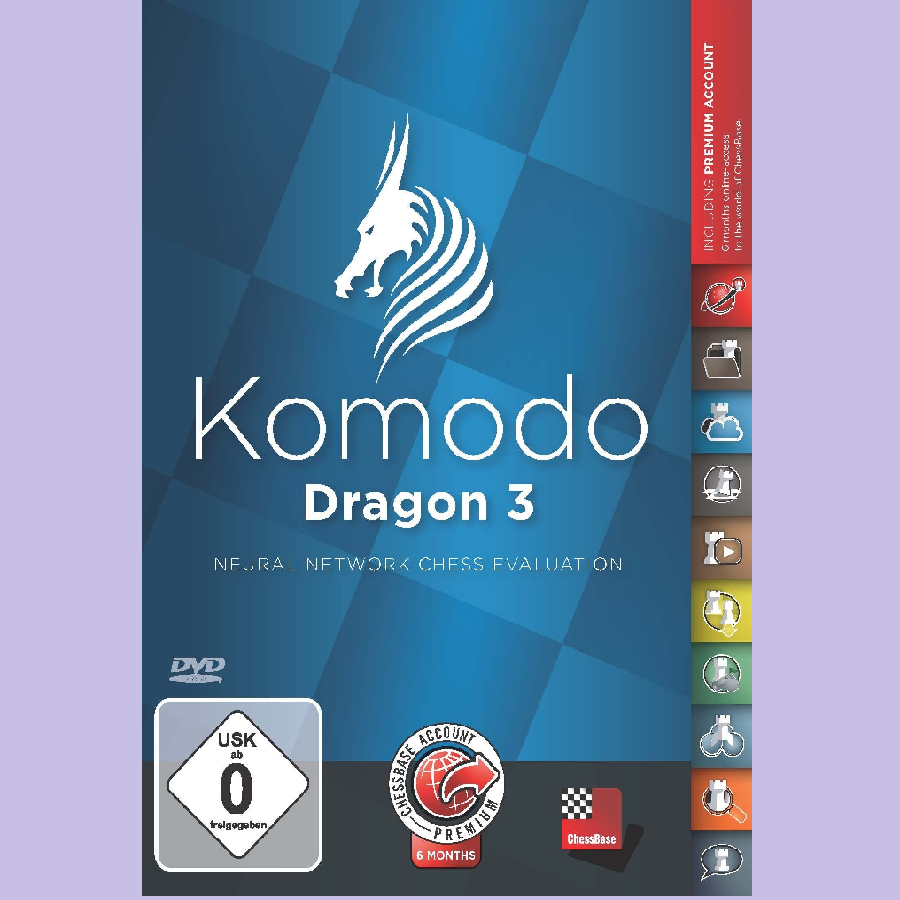
Minimum: PC Intel i3 or i5 or Ryzen 3, 4 GB RAM, Windows 8.1 (32- or 64-Bit), DirectX11, graphic card with 512 MB RAM, DVD-ROM drive (not required in download version), Windows Media Player and Internet access. Recommended: PC Intel i7, i9 or Ryzen 7/9, 8 GB RAM, Windows 11 or 10 with 64-Bit, Windows Media Player, graphic card with 1 GB RAM, RTX graphic card for real time Raytrace board, DVD-ROM drive and Internet access. For ChessBase ACCOUNT: Internet access and up-to-date browser, e.g. Chrome, Safari. Runs on Windows, OS X, iOS, Android and Linux!
Today, family dramas continue to evolve, reflecting the changing values and social norms of contemporary society. Shows like "This Is Us" (2016-present), "The Crown" (2016-present), and "Succession" (2018-present) have captivated audiences with their intricate storylines, complex characters, and relatable themes.
In the early days of television, family dramas were often portrayed as nuclear, with a clear distinction between right and wrong. Shows like "I Love Lucy" (1951-1957) and "The Andy Griffith Show" (1960-1968) depicted idealized family structures, with lovable patriarchs and nurturing matriarchs. However, as television evolved, so did the portrayal of family dynamics.
The 1990s and 2000s are often referred to as the "Golden Age" of family drama. Shows like "The Sopranos" (1999-2007), "The Wire" (2002-2008), and "Lost" (2004-2010) pushed the boundaries of storytelling, exploring themes of identity, morality, and power struggles within families. These shows often blurred the lines between right and wrong, presenting complex, multi-dimensional characters that audiences could both love and hate.
Today, family dramas continue to evolve, reflecting the changing values and social norms of contemporary society. Shows like "This Is Us" (2016-present), "The Crown" (2016-present), and "Succession" (2018-present) have captivated audiences with their intricate storylines, complex characters, and relatable themes.
In the early days of television, family dramas were often portrayed as nuclear, with a clear distinction between right and wrong. Shows like "I Love Lucy" (1951-1957) and "The Andy Griffith Show" (1960-1968) depicted idealized family structures, with lovable patriarchs and nurturing matriarchs. However, as television evolved, so did the portrayal of family dynamics.
The 1990s and 2000s are often referred to as the "Golden Age" of family drama. Shows like "The Sopranos" (1999-2007), "The Wire" (2002-2008), and "Lost" (2004-2010) pushed the boundaries of storytelling, exploring themes of identity, morality, and power struggles within families. These shows often blurred the lines between right and wrong, presenting complex, multi-dimensional characters that audiences could both love and hate.