
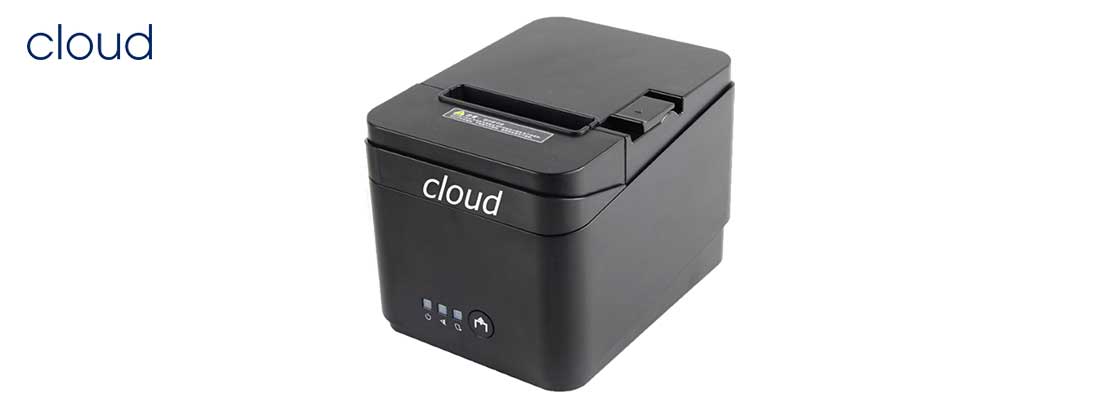

Cloud CTP30 Thermal Printer

Cloud Printer Driver




















The [ICO] column often shows icons for different file types. [PARENTDIR] allows you to move up one level in the directory tree. [DIR] indicates a subfolder containing its own potential listings. To understand the "Index of" page, you must understand the philosophy of early web servers. In the 1990s, the web was built on open protocols designed for sharing and transparency. FTP (File Transfer Protocol) heavily influenced HTTP. On an FTP server, listing a directory’s contents was the default behavior.
RedirectMatch 301 ^/$ /home.html In your server block, add: Index of
When HTTP servers emerged, they copied this model. The creators assumed that if you put a file in a public folder, you wanted people to find it. The index.html file was the exception —a way to override the default listing with a pretty homepage. If you didn't provide that exception, the server assumed you wanted the raw list. The [ICO] column often shows icons for different file types
Options -Indexes The minus sign disables directory indexing. You can also replace the listing with a custom page: To understand the "Index of" page, you must
<FilesMatch "\.(sql|ini|conf|log)$"> Require all denied </FilesMatch> You can customize the Index of page using Apache’s HeaderName and ReadmeName directives. Create a file called HEADER.html with your company logo and CSS to make the listing look professional rather than primitive. 3. Serve Software Repositories If you distribute software, an indexed directory is the simplest version of an artifact repository. Tools like wget and curl work perfectly with raw directory listings for automated downloads. The Future of Directory Indexing As the web moves toward API-driven architectures and serverless computing, raw Index of pages are becoming rarer. Services like AWS S3, by default, block public directory listings (though misconfigurations still happen). Modern static site generators (Hugo, Jekyll, Next.js) output flat files without folders.
Copyright 2008-2026 NEDO Corporation All Rights Reserved
