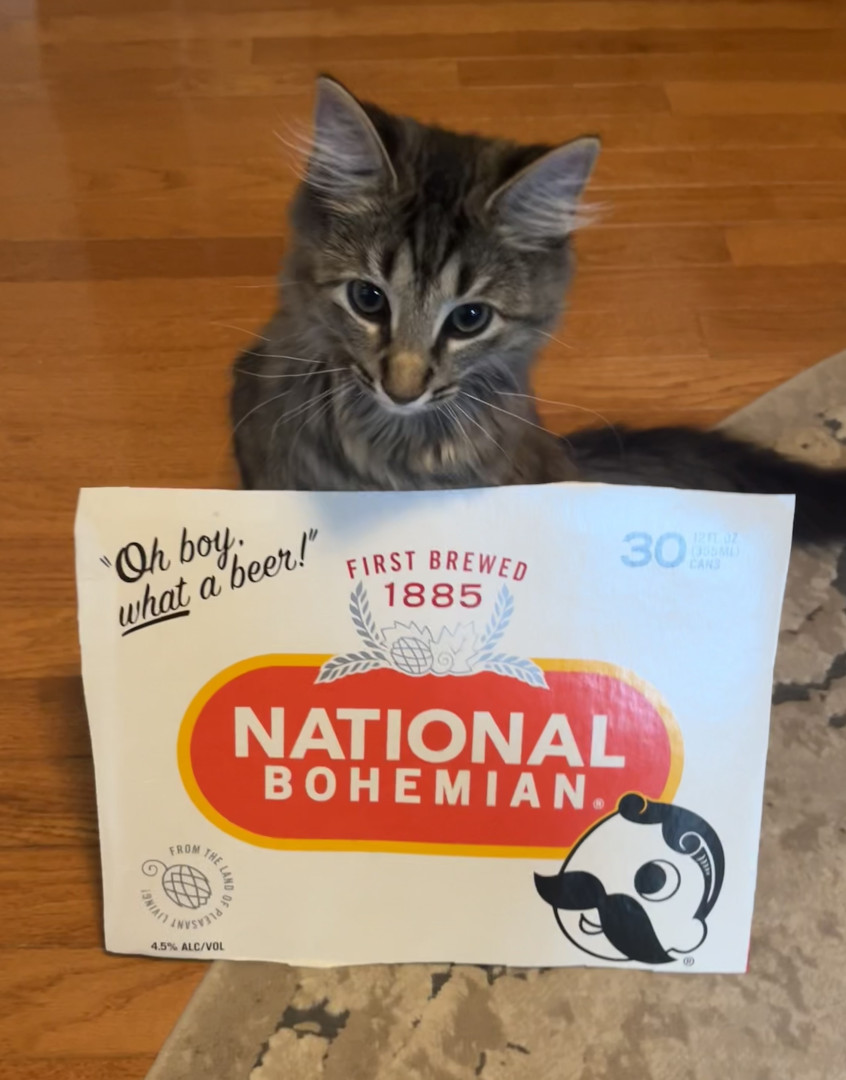
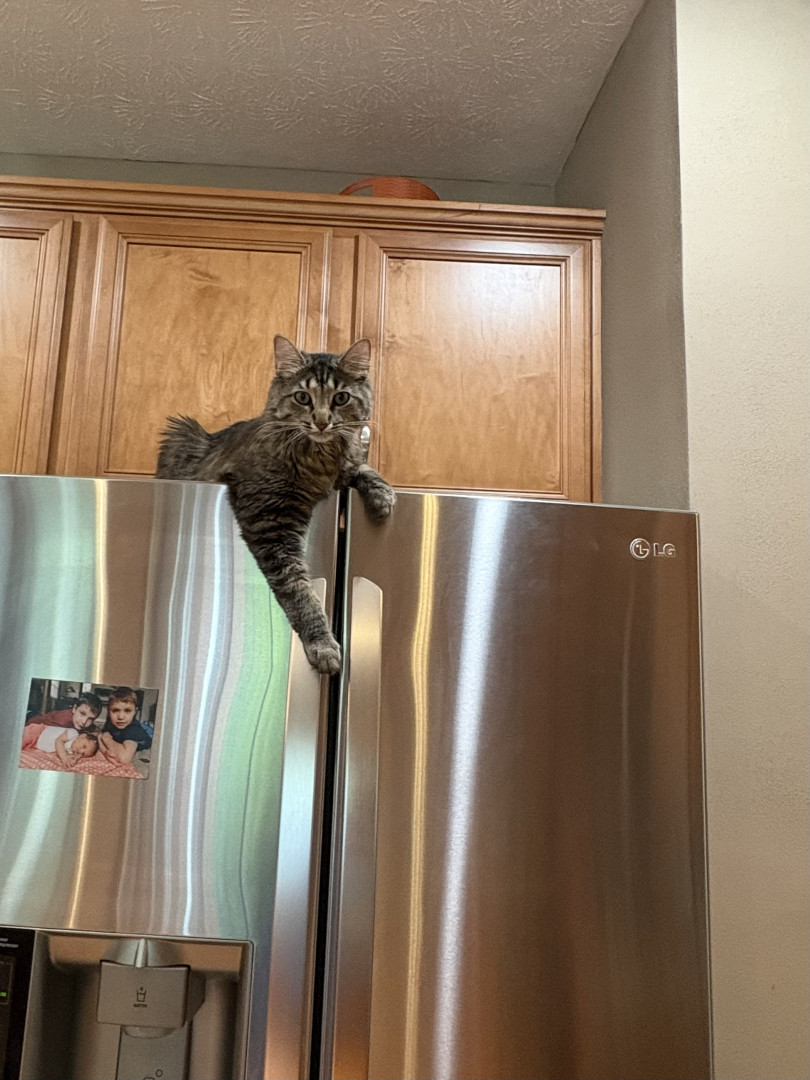
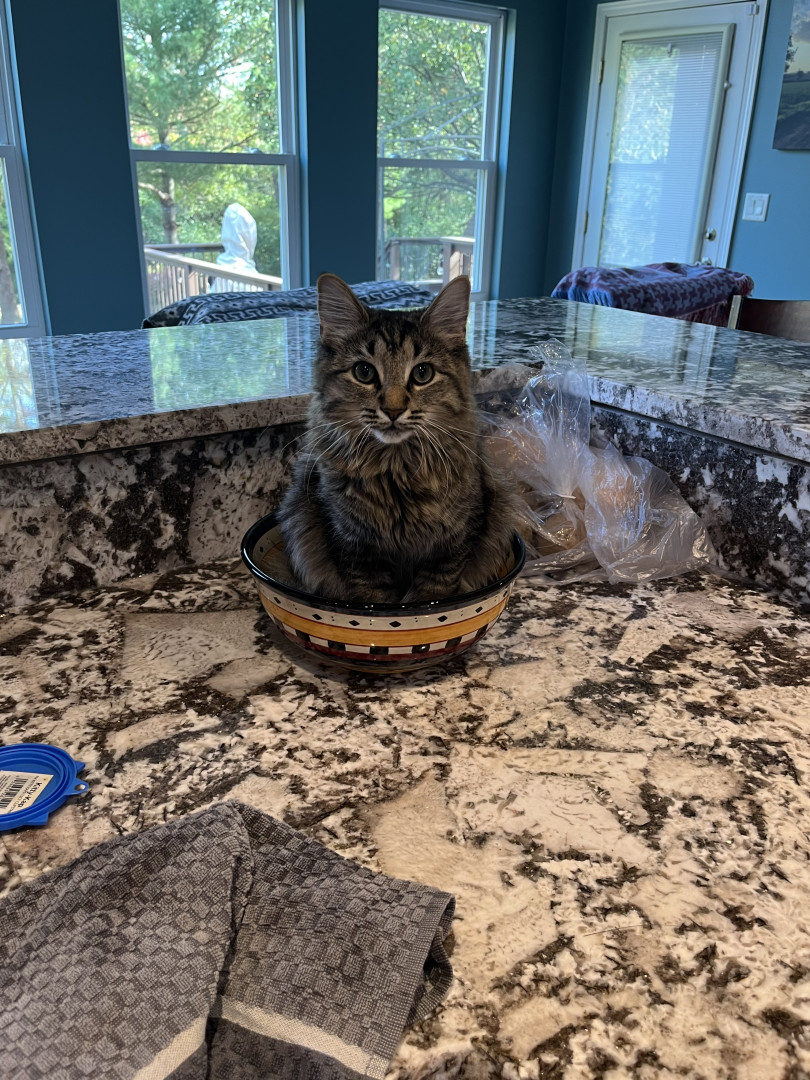
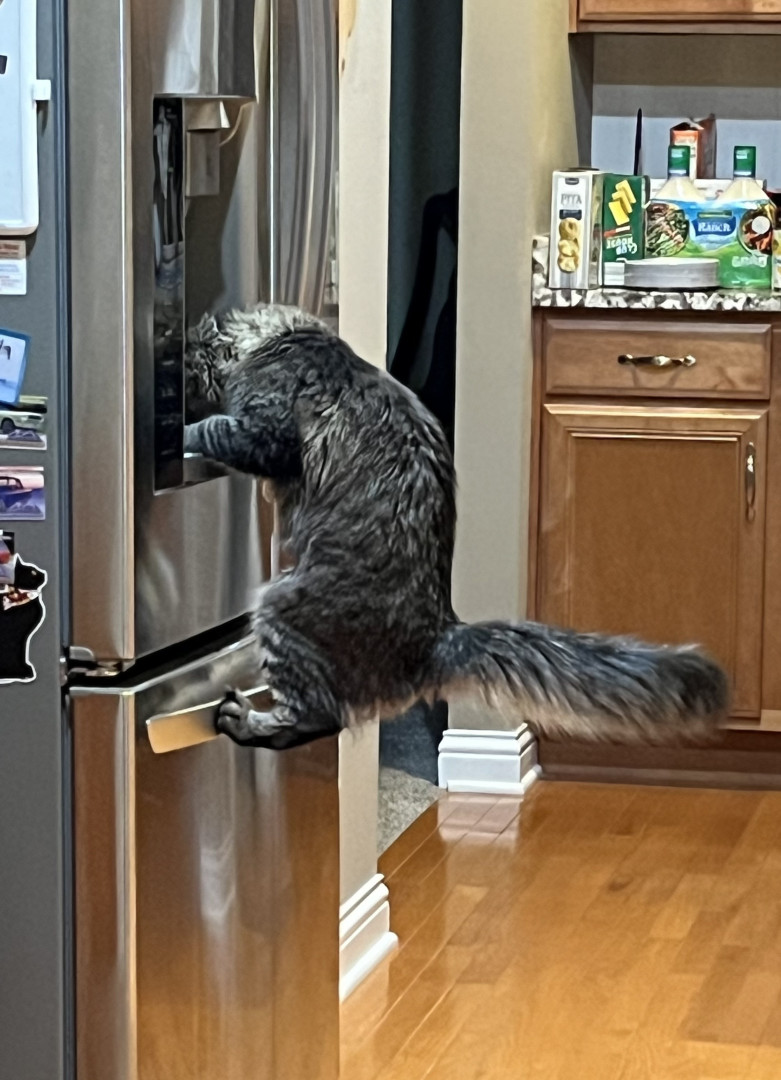
My name is Nati Bo. I am a very curious cat who loves birds, my siblings, getting ice out of fridge and finding any mischief I can.


Thank you for supporting Nati Bo in this year's competition. Your participation allows us to aid PAWS in their mission to help cats, dogs, and wild animals thrive in happy, healthy homes or in their natural habitats.
What is America's Favorite Pet?
Learn Moreand Rakugo (comic storytelling) established the Japanese reverence for voice acting. In Rakugo, a single storyteller sits on a cushion, using only a fan and a cloth to portray an entire cast. This minimalist, voice-centric performance is the direct ancestor of modern seiyuu (voice actor) culture, where fans obsess over the nuances of a performer's breath and intonation.
This article explores the intricate machinery of the Japanese entertainment industry, its historical roots, its modern dominance, and the unique cultural DNA that makes it unlike any other on Earth. To understand modern Japanese entertainment, one must look at the Edo period (1603-1868). During this era of isolation, three major art forms emerged that set the template for modern fandom. 1Pondo 061314-826 Miho Ichiki JAV UNCENSORED
When the world thinks of Japan, two contrasting images often emerge: the serene Kyoto geisha gliding through ancient streets, and the neon-lit, hyper-kinetic frenzy of an Akihabara arcade. This duality sits at the heart of the Japanese entertainment industry. It is a cultural juggernaut that has evolved from feudal storytelling traditions into a $200 billion digital and physical powerhouse. From J-Pop idols and cinematic kaiju to VR arcades and VTubers, Japan is not just exporting content; it is exporting a distinct philosophy of engagement, fandom, and hyper-specialization. This article explores the intricate machinery of the
For the global consumer, Japan offers an escape from Western cynicism. In a J-drama, the hero might not get the girl, but he will learn to cook a perfect egg. In a game center, a CEO and a high school student will battle in Street Fighter with perfect silent focus. This is the magic of Wa (harmony) meets Kakushin (innovation). When the world thinks of Japan, two contrasting
was the "pop music" of its day. With its flamboyant costumes, dramatic makeup (kumadori), and all-male casts (onnagata playing female roles), Kabuki created the first wave of Japanese "celebrities." Fans would throw money and elaborate gifts onto the stage—a ritual not unlike the modern ouendan (cheering squads) at idol concerts.